Book a Demo

AI-Powered Robotic Process Automation Software for Autonomous Business Workflows

Enterprise-grade RPA built with AI and cognitive intelligence to automate end-to-end business operations, including account reconciliation, KYC, financial spreading, and other high-volume, rules-driven workflows. It bridges systems, people, and documents so that critical processes can run consistently across apps, teams, and environments, even when exceptions and approvals are required.

Book a Demo
banner

Clients

We are trusted by enterprises globally.

Built-In Intelligence that Powers Collatio’s Robotic Process Automation

Enterprise-grade RPA capabilities designed to automate, orchestrate, and continuously optimize business processes.

1
STEP 1
Advanced Bot Scripting and Design

Designs and deploys automations using a state-of-the-art, low-code bot scripting studio that enables close collaboration between business and IT teams. Build automation workflows using drag-and-drop activities, configure logic visually, debug executions, and orchestrate complex sequences without writing code. Prebuilt activities support automation across web and desktop applications, file systems, spreadsheets, email, FTP, scheduling, date and time operations, and structured error handling for real-world enterprise workflows.

2
STEP 2
Document-Aware and Intelligent Processing

Extends RPA beyond screen-based tasks with native AI capabilities designed for document-heavy and data-driven workflows. The platform combines intelligent document processing with built-in document management to handle complex use cases involving images, forms, and unstructured content. AI-powered bots automatically classify, extract, validate, and redact data from a wide range of document types. This enables straight-through processing for document-centric business processes such as invoice processing, trade finance, and compliance workflows.

3
STEP 3
Centralized Bot Orchestration and Execution Management

Manages and governs the digital workforce from a centralized control center designed for enterprise-scale automation. The platform provides real-time visibility into bots, machines, tasks, users, credentials, and environments, ensuring consistent execution and operational control. Automation can be scaled dynamically through intelligent workload management, scheduled execution, and parallel processing of non-UI processes. This allows efficient handling of high-volume workflows, reduces cycle times, and maintains performance across departments and business units.

4
STEP 4
Contextual Understanding and Human-in-the-Loop Automation

Automates decision-dependent processes by enabling bots to understand and interpret incoming documents, emails, and digital inputs using natural language processing and machine learning. AI-powered automation analyzes context, patterns, and intent within data to determine the appropriate next steps in a business process. When human judgment is required, workflows route tasks to the appropriate users with full contextual information. Users can review, approve, or intervene as needed, after which automation resumes without restarting the process. This ensures continuity, accuracy, and accountability while combining automation efficiency with human oversight.

5
STEP 5
Exception Handling and Always-On Digital Workforce

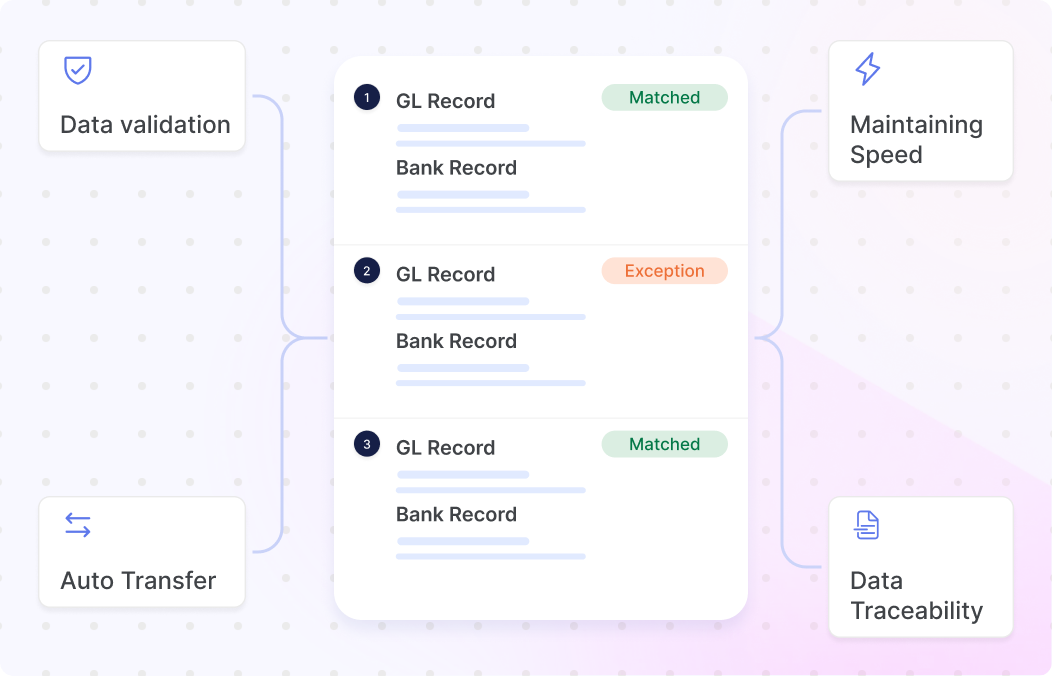
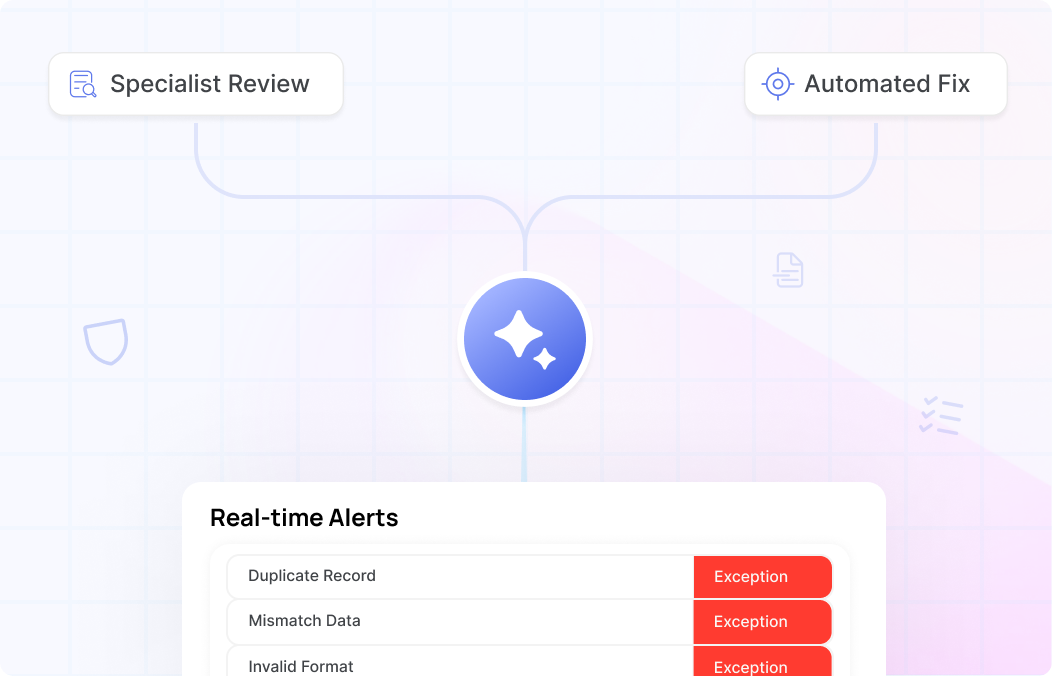
Anticipates real-world variability and operational exceptions through built-in exception handling that detects failures, mismatches, missing information, or approval requirements. Exceptions can be automatically resolved based on predefined rules or routed to the appropriate users with complete contextual details. Embedded case management intelligence ensures exceptions are tracked, resolved, and accurately reintroduced into workflows without restarting the entire process. With exceptions managed effectively, unattended bots operate as an always-on digital workforce, executing repetitive, rule-based tasks across time zones and business cycles.

6
STEP 6
Process Intelligence and Continuous Optimization

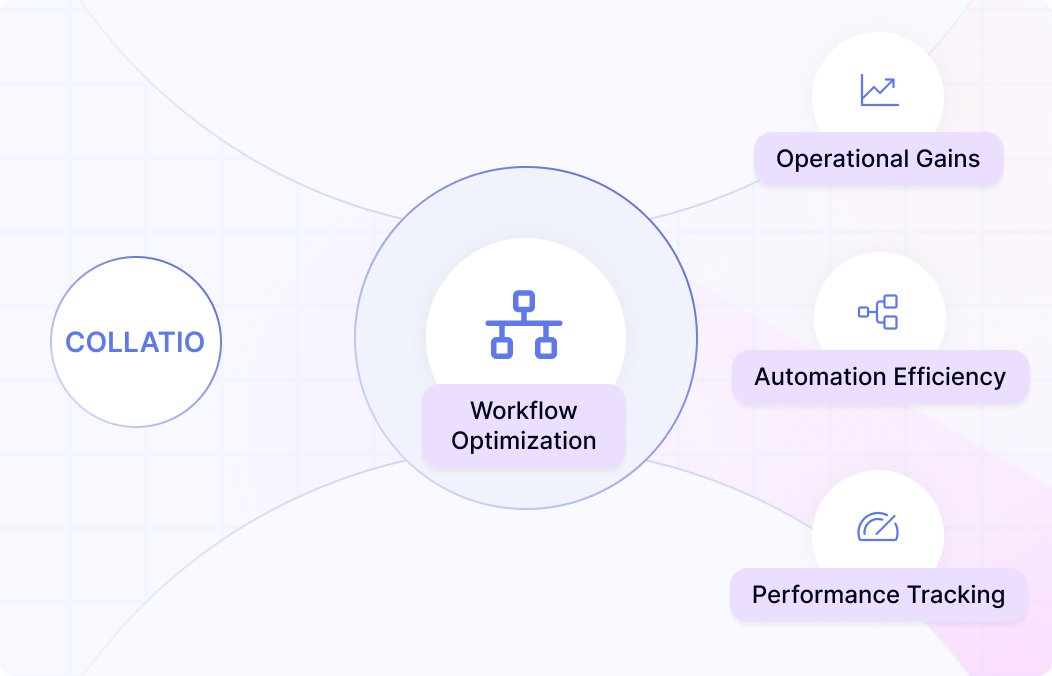
Provides visibility into automation performance and end-to-end process behavior through analytics, execution logs, and operational insights. Organizations gain a clear understanding of how automated processes run, where inefficiencies exist, and how performance changes over time. Process intelligence capabilities help identify bottlenecks, analyze variations, and evaluate improvement opportunities using data-driven insights. Business rules and workflows can be refined based on actual execution patterns, enabling informed decisions and confident expansion of automation coverage. By combining workflow modeling, orchestration insights, and reporting, RPA initiatives mature beyond isolated task automation into continuously optimized, enterprise-wide processes.

Collatio Robotic Process Automation Success Metrics

Our robotic process automation software delivers significant business impact across accuracy, operational efficiency, and cost optimization.

0% grow

Data Accuracy Rate

0% grow

Reduction in Manual Effort

0X grow

Improvement in Output Speed

0% grow

Process Transparency

Move Beyond Task-Level Automation to Intelligent Workflows Using Collatio RPA

Automate complex processes end-to-end, improve accuracy, reduce manual effort, and maintain consistency across systems, teams, and enterprise operations.

Schedule Your Free Consultation
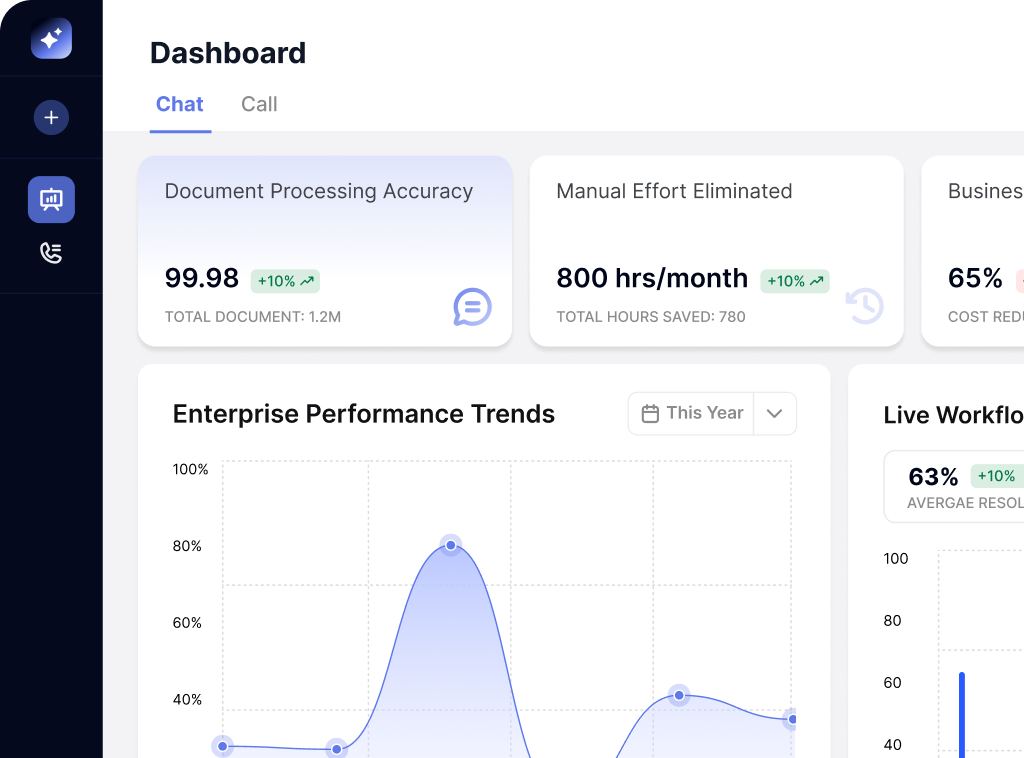
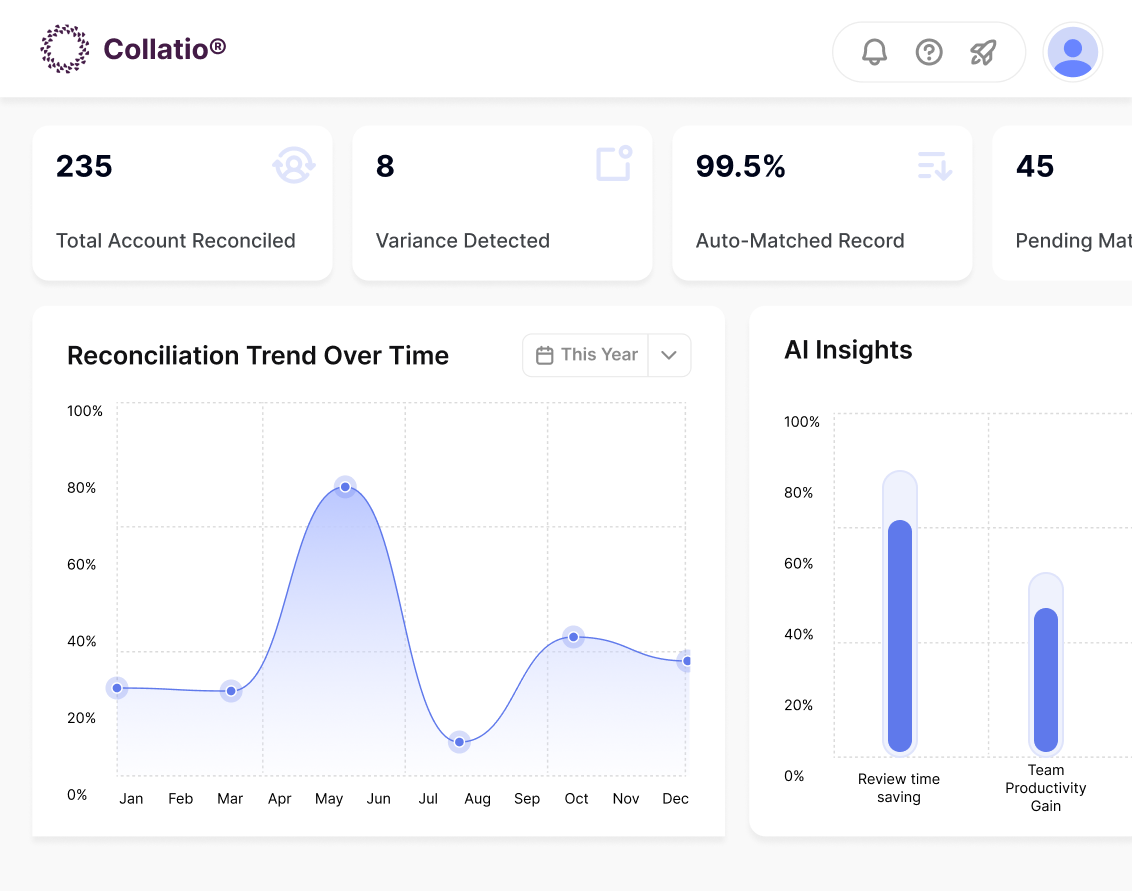
Dashboard Preview

How Collatio’s Robotic Process Automation Works

Identify and Document the Process

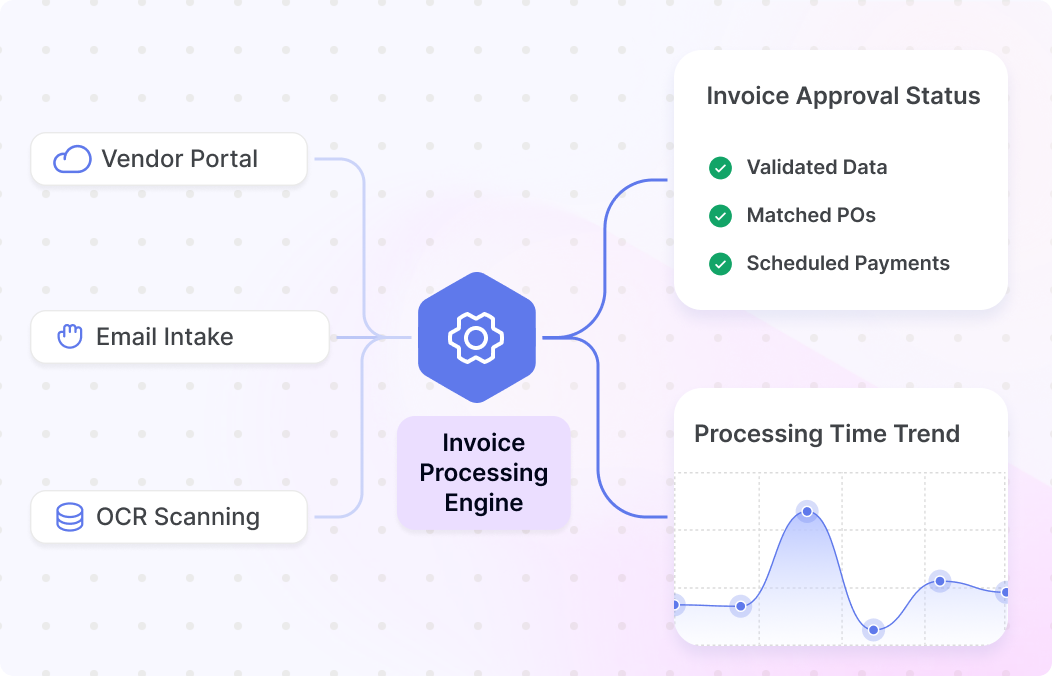
Collatio RPA begins by identifying repetitive, rule-based tasks performed across applications, systems, and document-driven workflows. Business users or automation teams capture and document the sequence of actions involved. These actions include logging into systems, navigating screens, copying and validating data, triggering transactions, and managing handoffs that define the end-to-end process.

Data Capture

Build Automations Using Low-Code Tools

Captured processes are transformed into automation workflows using low-code design tools. These workflows define the business logic, rules, validations, and decision points required for accurate and consistent execution. Business users can visually design automations, while IT teams apply security, scalability, and governance controls to ensure the automations meet enterprise standards.

AI Forecast

Roll Out Bots Across Applications and Systems

Once deployed, software bots execute tasks by interacting with applications through their user interfaces. Bots integrate workflows across web portals, enterprise platforms, desktop applications, and legacy systems using non-invasive, UI-based automation. They can extract, validate, and transfer data from terminal screens, third-party applications, Microsoft Excel files, and PDFs, and update downstream systems or workflows. By replicating human actions at the presentation layer rather than relying on complex backend integrations, RPA enables faster deployment while minimizing risk and disruption.

Customer Analysis

Run Attended and Unattended Automations

Collatio’s RPA supports both attended and unattended execution models based on process requirements. Unattended bots run autonomously in the background, triggered by schedules or events, and complete tasks without human intervention. Attended bots work alongside users on their desktops, assisting with process steps that require human judgment, approvals, or decision-making.

Performance Metrics

Orchestrate, Govern, and Optimize

All bot activity is centrally orchestrated to manage scheduling, workload distribution, access controls, and execution health. Performance is monitored in real time, security policies and credentials are enforced, and detailed audit trails are maintained to support compliance requirements. When exceptions occur, workflows automatically route tasks to the appropriate users with full context and resume execution once issues are resolved. Execution data and process insights are continuously analyzed to optimize automation logic, reduce exceptions, and scale automation across additional workflows.

Customer Analysis

Industries We Focus On

Collatio’s Robotic Process Automation is designed to support industries that operate with high volumes of transactions, documents, and system-driven workflows.

Dashboard Preview

Our Robotic Process Automation Software is Built on Global Compliance Standards

Collatio meets global compliance and data protection frameworks, maintaining secure automation processes, encrypted workflows, and strict governance across enterprise environments.

SOC
ISO
  • Data Protection Frameworks

    Complies with ISO 27001, SOC 2, and GDPR to maintain secure data handling and automated process reliability.

    Work within you enivorment
  • Privacy and Governance

    Implements strict access control, encrypted communication, and audit trails to maintain privacy and regulatory accountability.

    Data encryption
  • Industry Standard Certifications

    Follows HIPAA, PCI DSS, and CCPA requirements to support compliance-driven industries with strong process integrity and data protection.

    Secure integrations

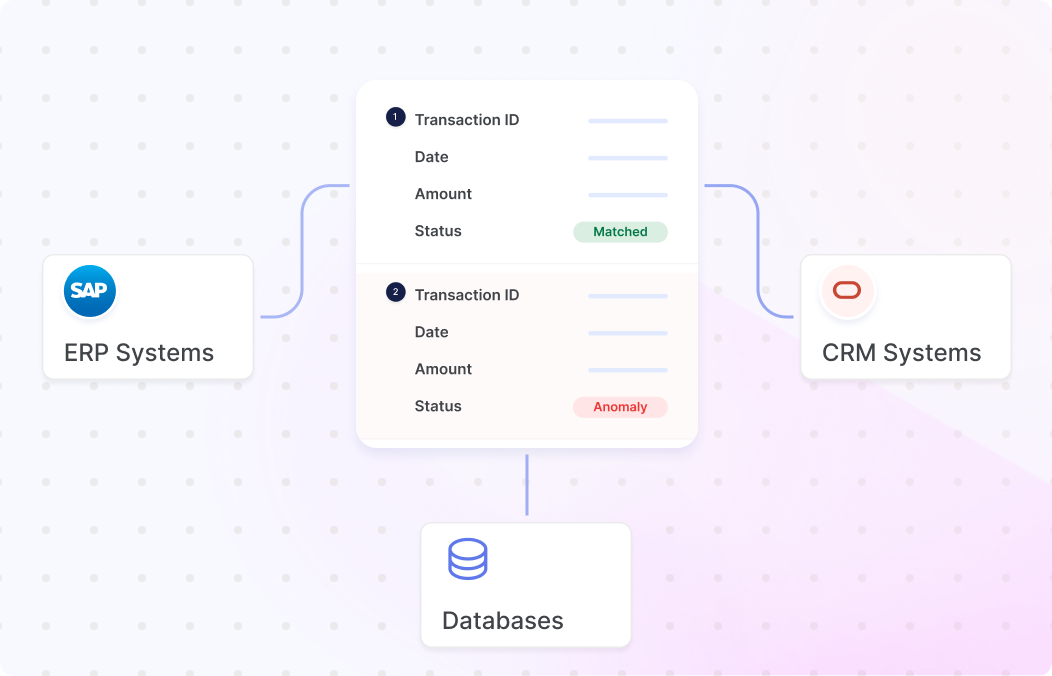
Collatio Integrates with Core Enterprise Applications

Our process automation software connects with ERP, CRM, and database systems without disrupting existing infrastructure, enabling unified, efficient, and intelligent business operations.

Experience Intelligent Workflows that Connect AI Agents, Robots, and Teams Using Collatio RPA

Automate high-volume, complex business processes at scale to enable straight-through processing and faster time-to-value.

Book a Demo

Insightful Resources

Discover how SCRY AI solutions bring accuracy and innovation in document processing, conversational AI, and IoT operations.

Frequently Asked Questions

Learn more about the best robotic process automation software and how it transforms document workflows with precision, speed, and enterprise-grade efficiency.

Our robotic process automation software automates document handling, validation, and reconciliation along with delivering high accuracy and faster processing for enterprise operations.

It automates repetitive document and data tasks, freeing teams from manual work while improving turnaround time and reducing operational costs.

Yes. The software manages structured and unstructured data, executes rule-based automation, and adapts intelligently to diverse enterprise document processes.

It scales effortlessly, maintaining performance and accuracy as document volumes expand that enabling consistent results for growing automation needs.